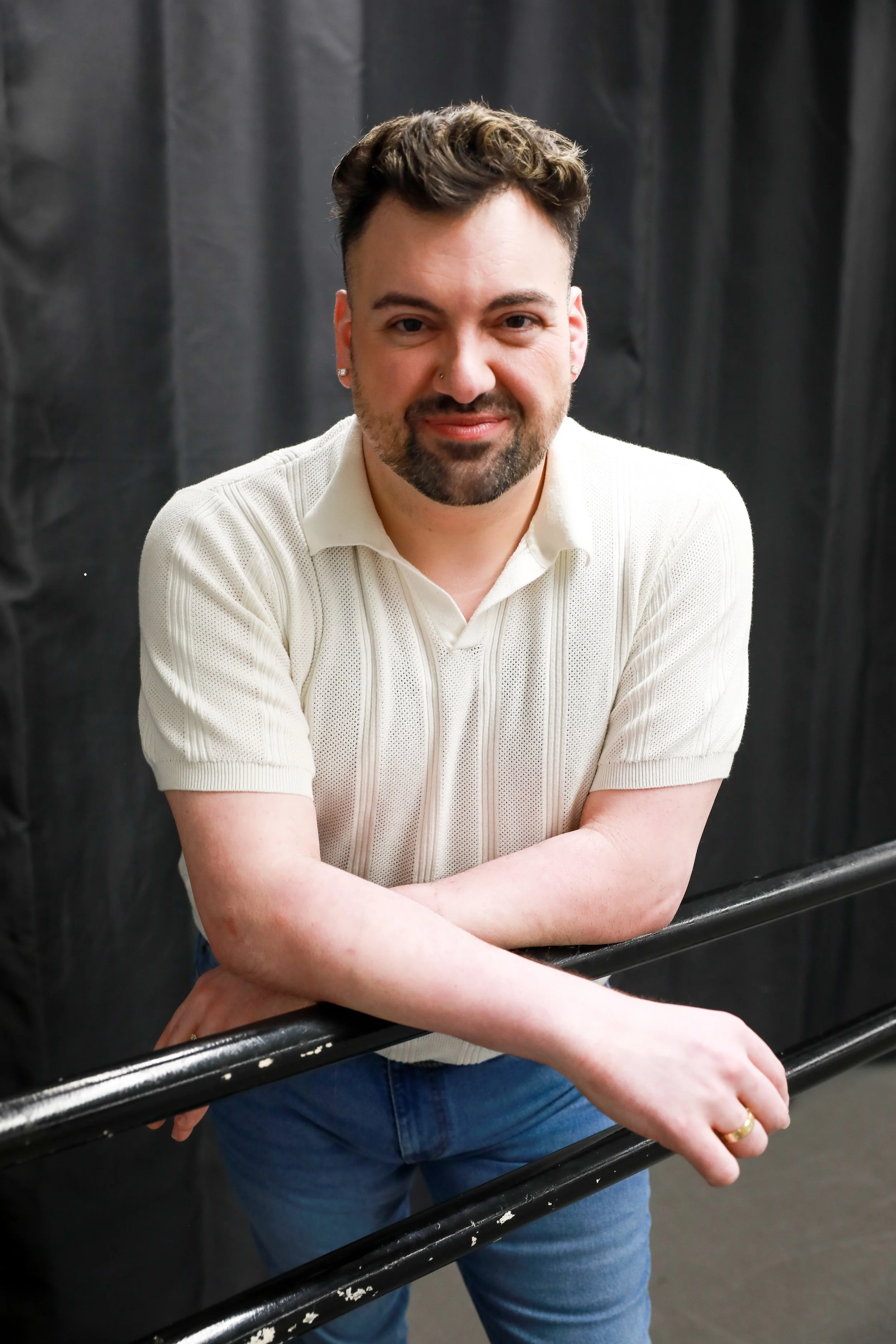
About Matthew
I’m Matthew Kooyomjian, an entrepreneur, creative director, producer, and dance educator. As Co-Owner and Executive Director of MEM Dance Theatre in Sterling, Massachusetts, I manage the people, programs, operations, and productions that support a working arts organization.
Through Matthew Mark Creative, I bring that experience to entrepreneurs and arts organizations who need strategic guidance, a stronger website or business systems, or hands-on support for a project or production.
Selected Experience
-
Co-Owner & Executive Director. My work spans business operations, faculty coordination, program planning, and live productions, including technical planning, projections, music, and collaboration on lighting design.
-
Longstanding production work for festival performance weekends, including technical production, lighting design, and QLab playback.
-
An upcoming consulting engagement focused on business strategy and growth for a holistic aesthetics practice.
-
Technical direction, supporting performances through sound coordination, production communication, and show calling.